An empty plot
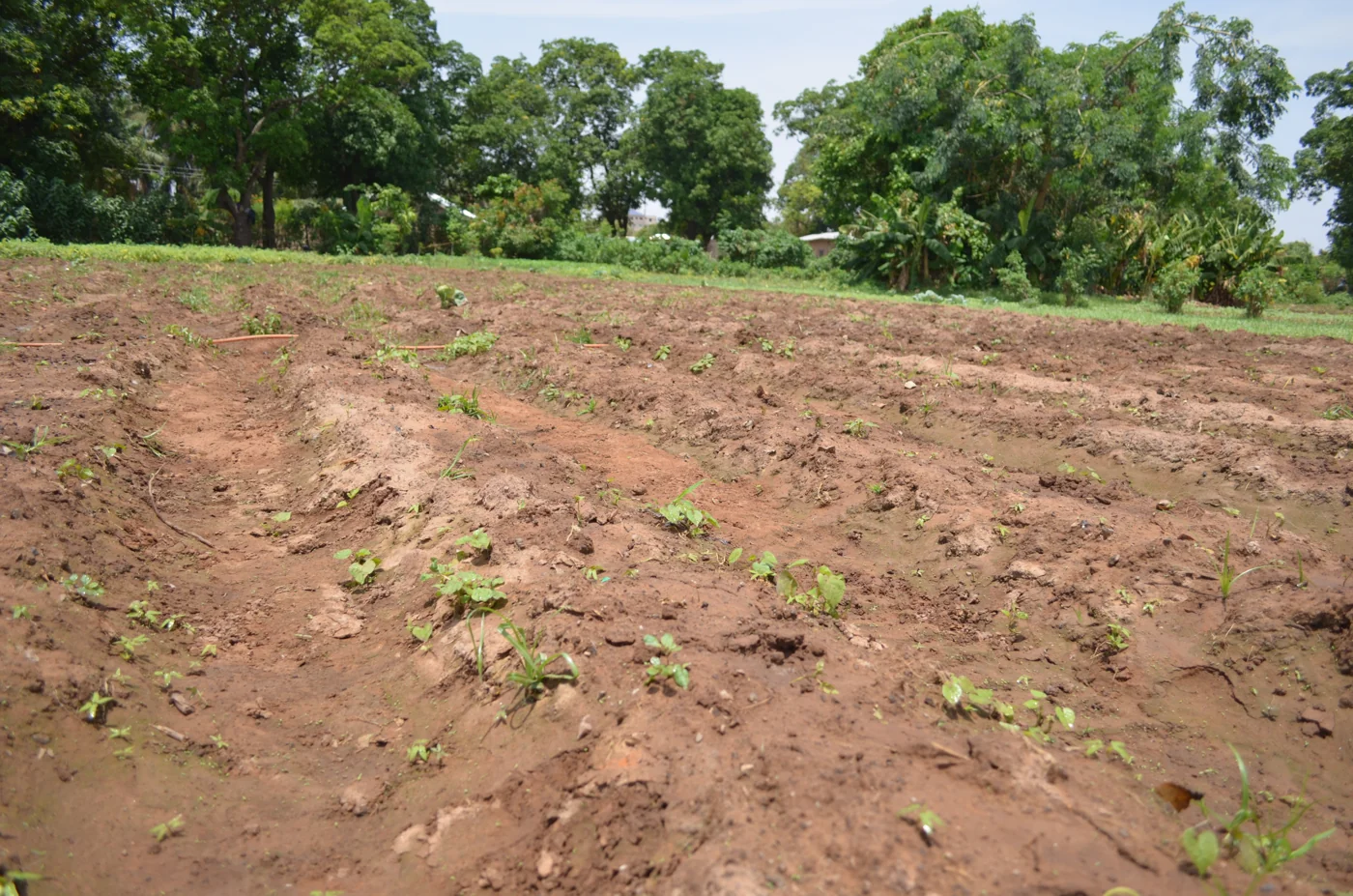
Before investing in cultivation, Terra’s agronomists assess the land, soil, water, access and resources. The diagnosis guides crop choice, the development plan and the order of investment.
THE TERRA PROTOCOL
Our agronomists. Our laboratory. Our technology. One continuous path from understanding the soil to improving every season.
Terra brings hands-on agronomic support to new and existing farms, then strengthens it with measurement, connectivity and AI. The objective: better productivity, more efficient resource use and a method that can reach many farms.
THE CONNECTED TERRA NETWORK
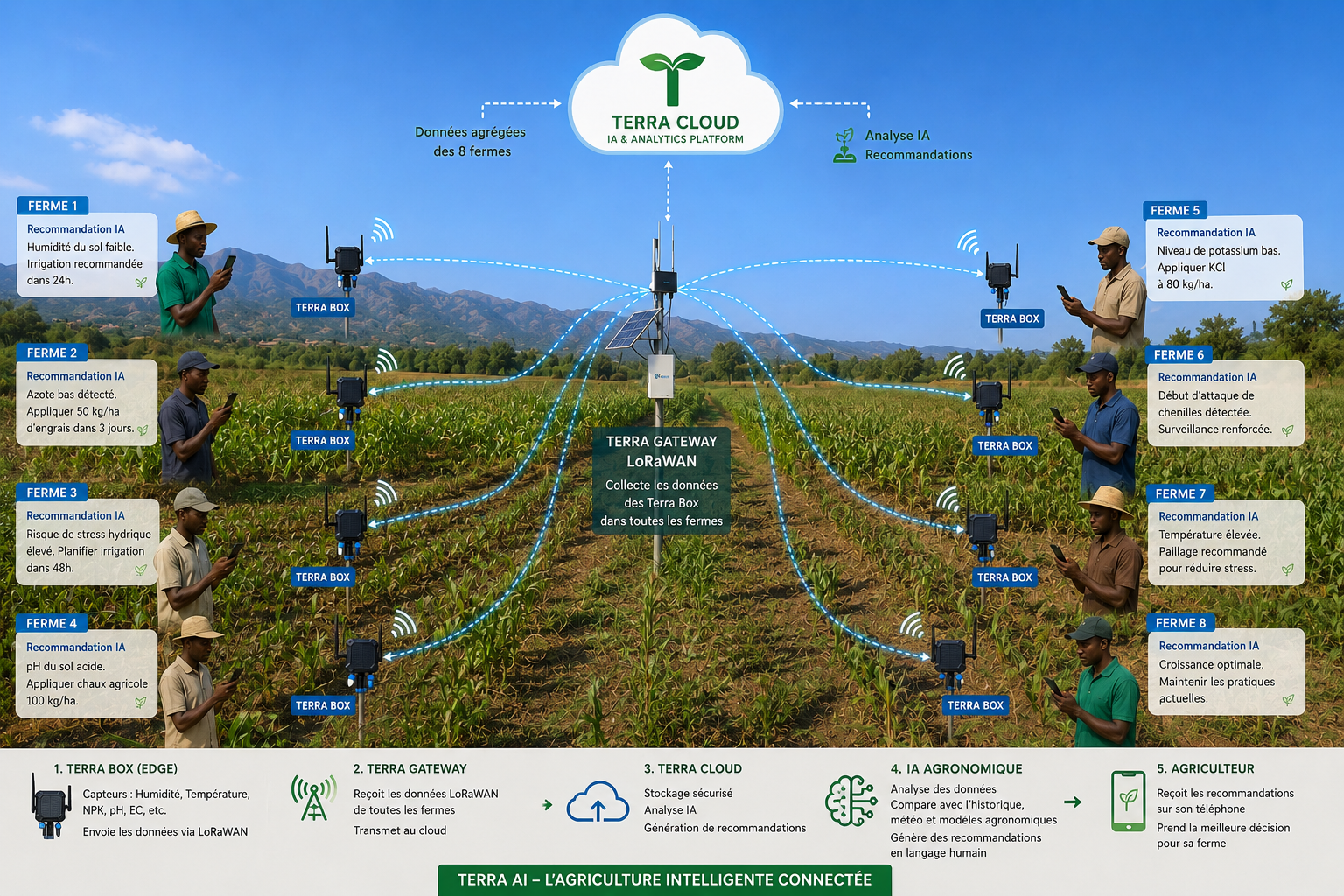
Illustrative messages and doses. In the Terra protocol, NPK recommendations use Terra Lab analysis and agronomist validation. The gateway connects to the internet, and SMS delivery uses the mobile network.
TWO STARTING POINTS. ONE PROTOCOL.
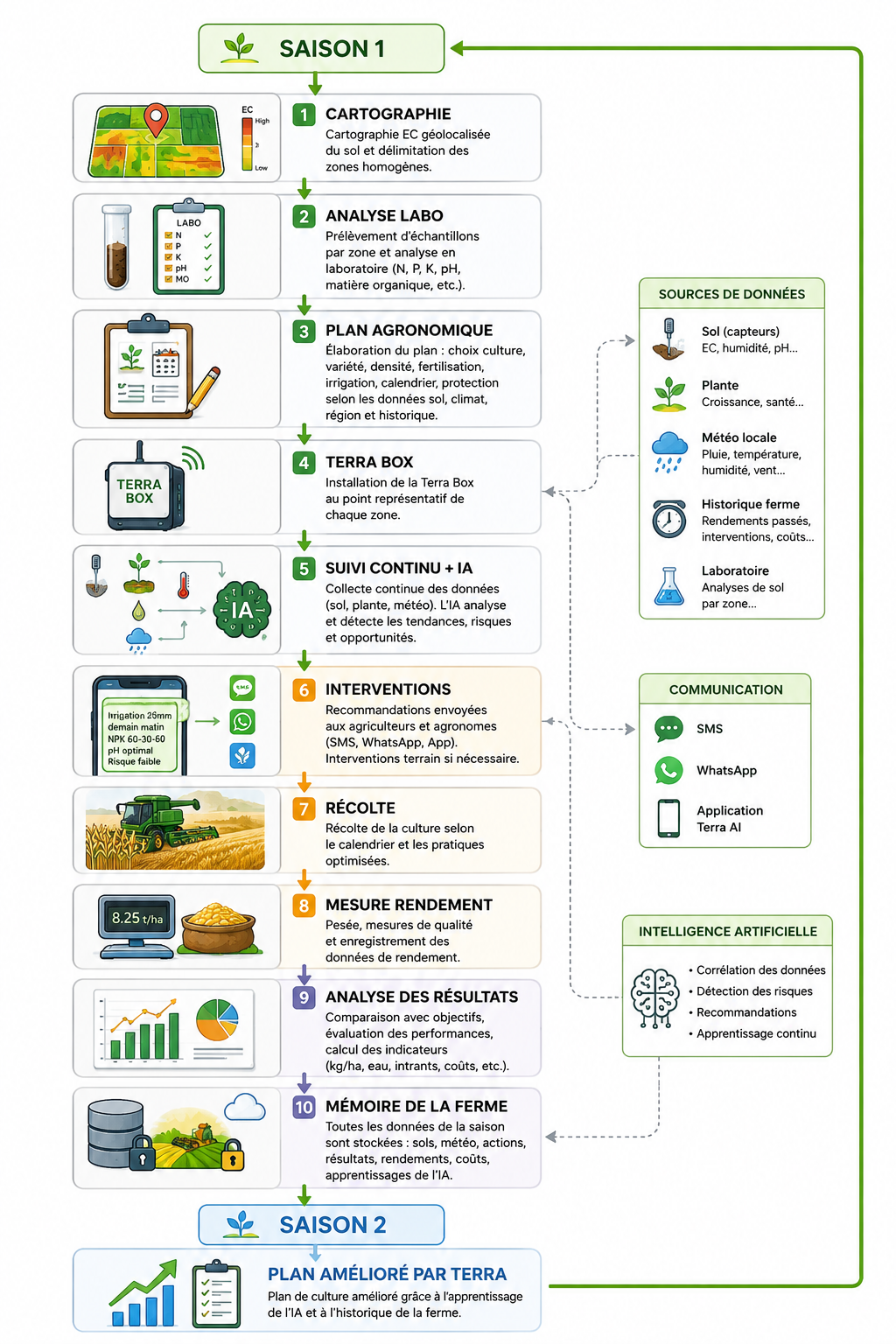
01—03 · DIAGNOSE & PLAN
A Terra agronomist visits the plot, registers its boundaries and records its history, water access and the farmer’s objectives. Georeferenced measurements from the Box’s electrical-conductivity (EC) sensor help identify contrasting soil zones and choose representative sampling points.
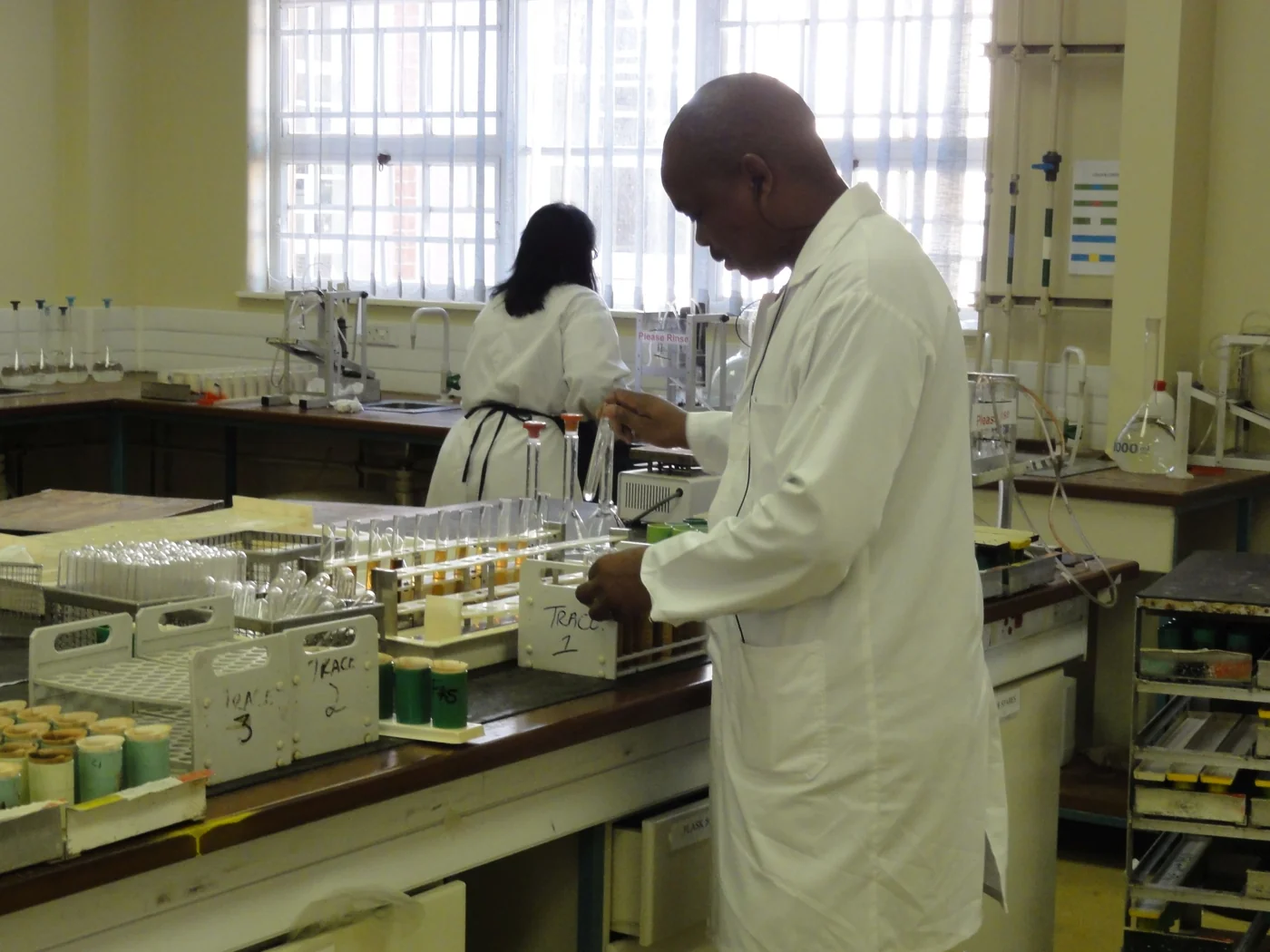
Samples from each zone are identified, logged and sent to Terra Laboratoire Agronomique. Laboratory analysis establishes the nutrient baseline: nitrogen, phosphorus and potassium, plus pH, organic matter and other indicators selected for the crop and soil. Methods, units and sampling dates remain attached to the results.
Terra’s agronomist combines the map, laboratory results, local climate and the farmer’s resources. Together they select suitable crops and varieties, prepare a seasonal calendar, and define soil preparation, nutrition, water management, crop protection and realistic production objectives.
04—06 · EQUIP & SUPPORT
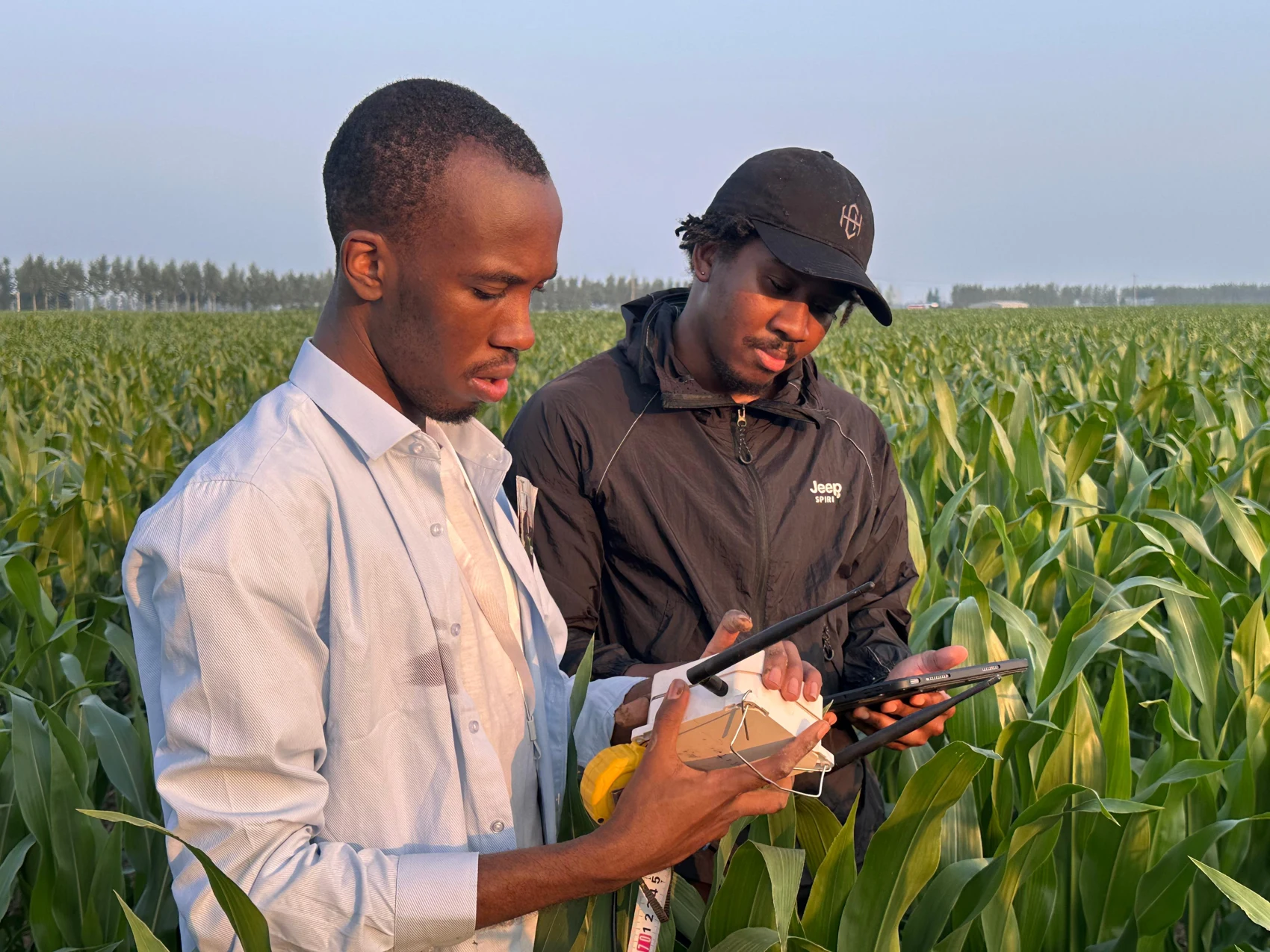
Boxes are placed at representative locations chosen from the diagnosis. The team installs the soil and crop sensors, solar panel and battery, checks readings and radio coverage, and links each device to the right field. The farmer learns how to receive advice and contact the Terra agronomist.
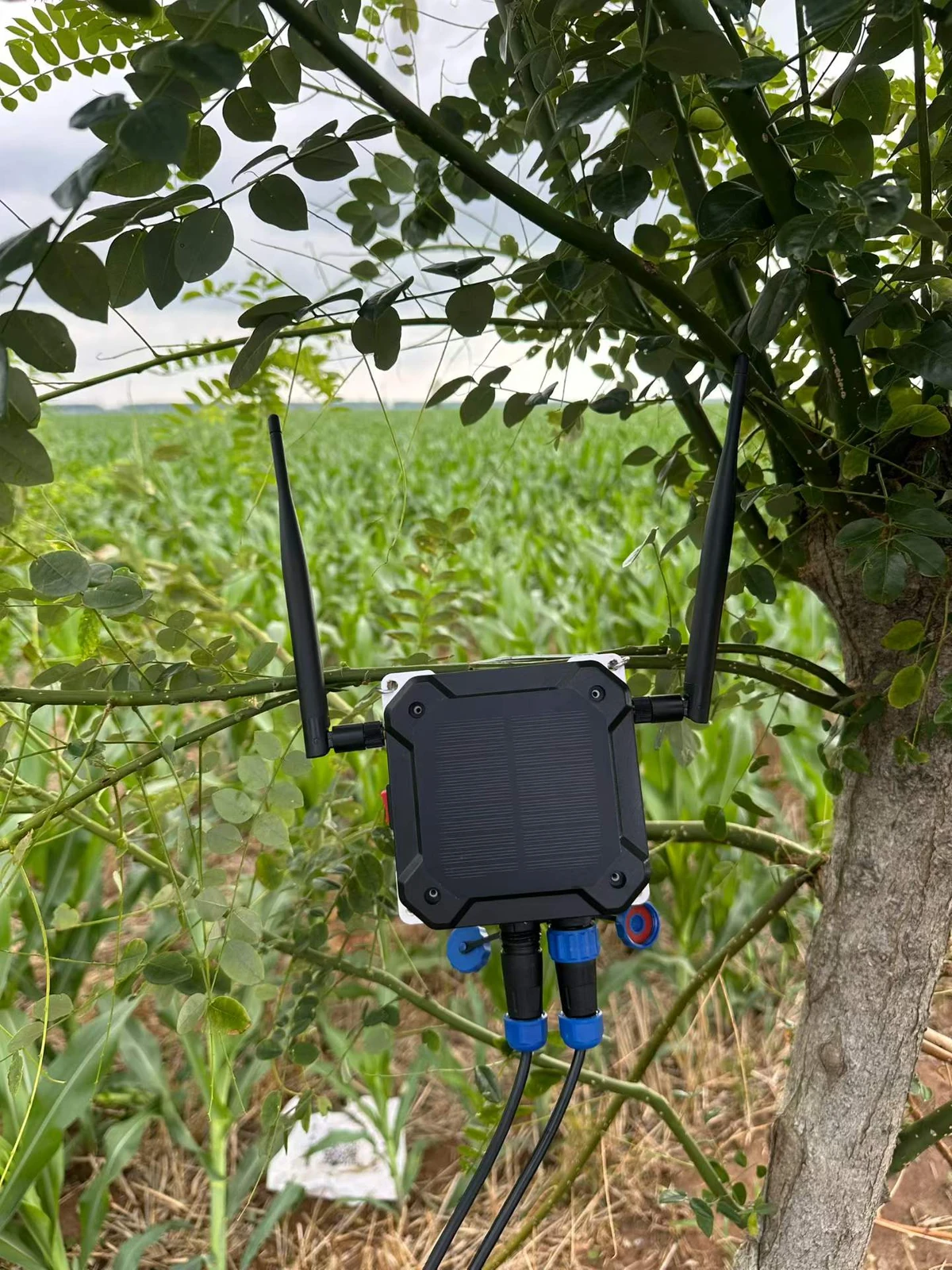
The Box follows soil moisture, temperature, pH and EC, complemented by crop and atmospheric sensors. Terra combines these time-stamped observations with the lab baseline, crop stage, weather context and farm history. Analysis highlights unusual changes and prepares advice for agronomic review.
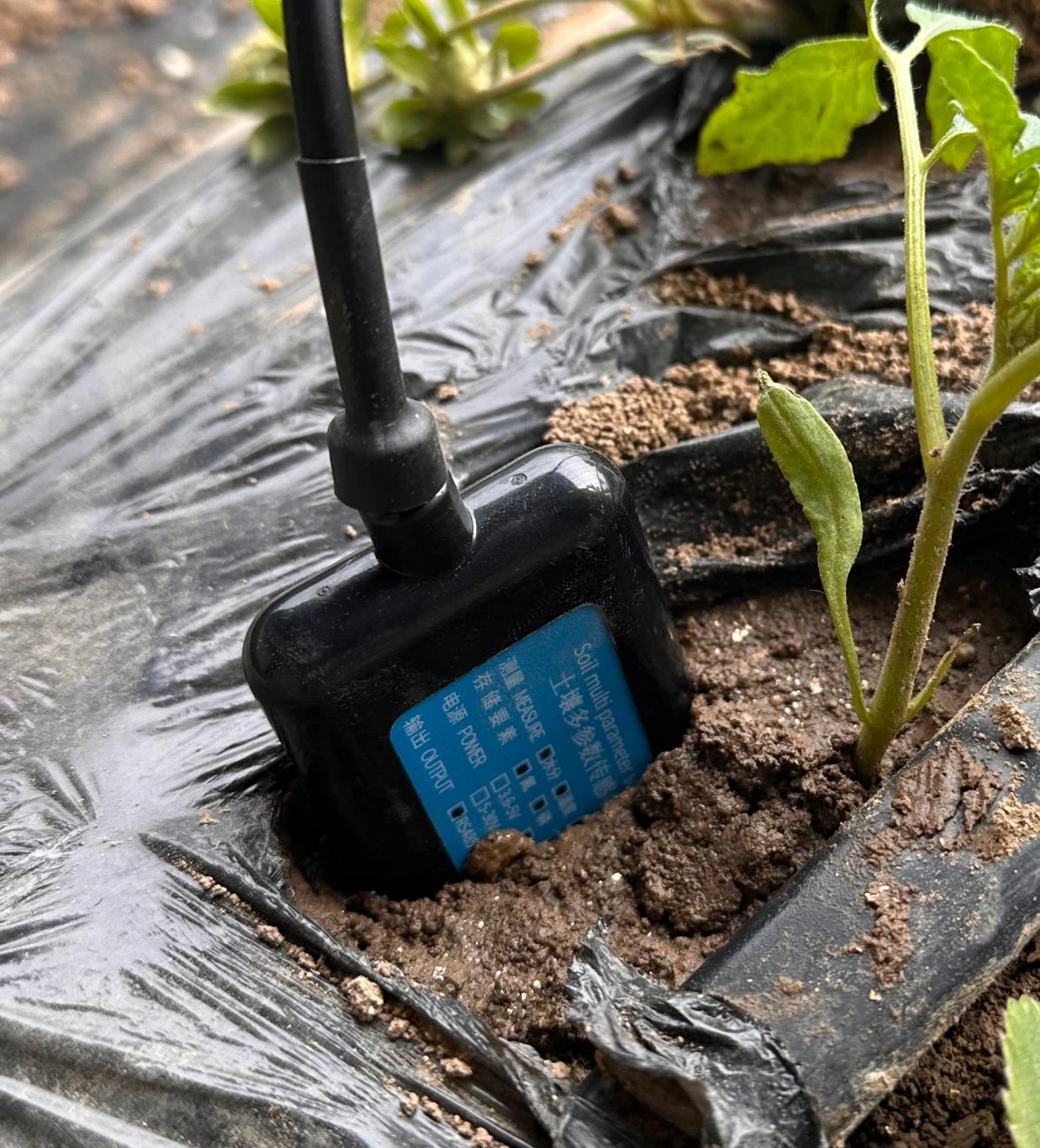
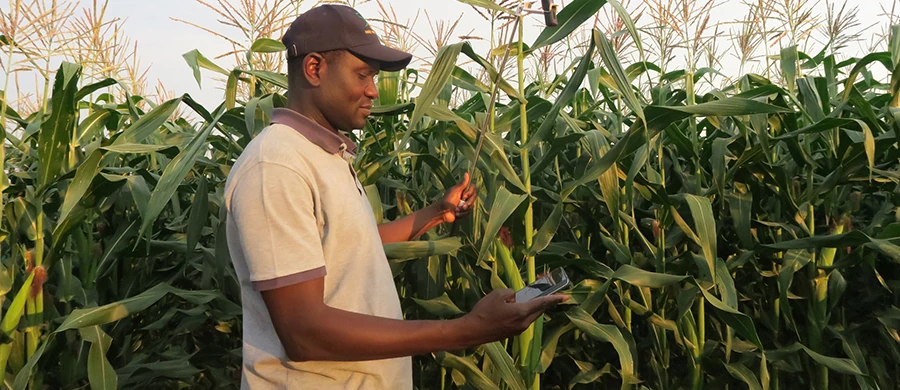
Terra’s agronomist checks the evidence, adjusts the recommendation to local conditions and validates the action. Clear SMS advice reaches the farmer’s basic phone. Field visits, crop scouting and farmer feedback help confirm what is happening and record what was actually done.
07—10 · MEASURE & IMPROVE
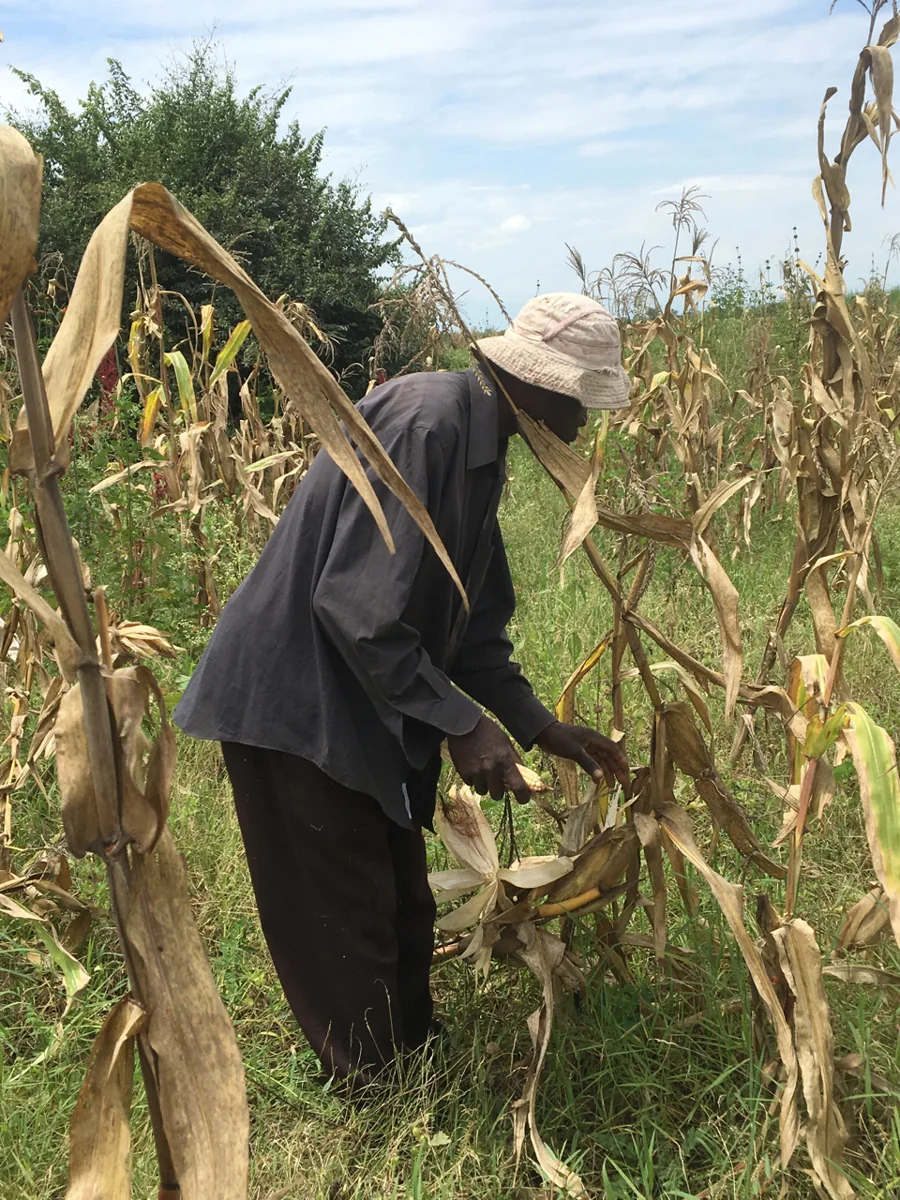
The farmer and agronomist review crop maturity, harvest timing, labor, handling and storage. Terra keeps the harvest linked to the correct field, crop and season so results can be understood alongside the growing conditions and interventions.
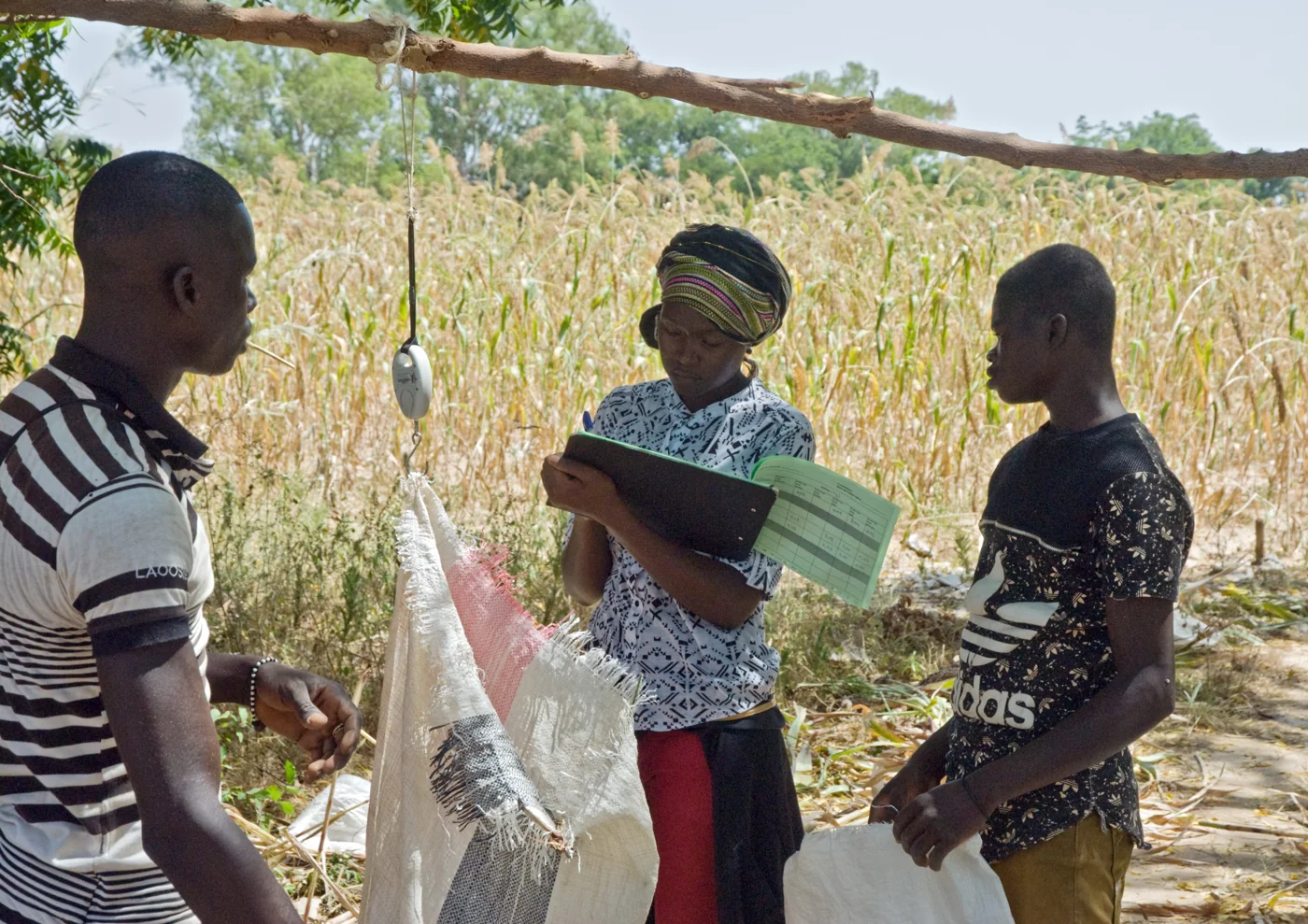
Record harvested weight and harvested area to calculate yield. Follow the water, inputs, labor and costs actually recorded, and document the measurement method. Comparisons use a clear baseline and account for crop, season and weather differences.
The agronomist reviews results against the plan, the soil diagnosis, sensor records and actual practices. Terra helps identify possible constraints and useful patterns. Field observations and, where needed, new laboratory samples guide which changes to test next.
Maps, laboratory reports, readings, advice, interventions and harvest results stay connected to the farm. The next season starts from this knowledge. Terra’s agronomist updates the plan; models can improve as sufficient, comparable field evidence is collected and validated.
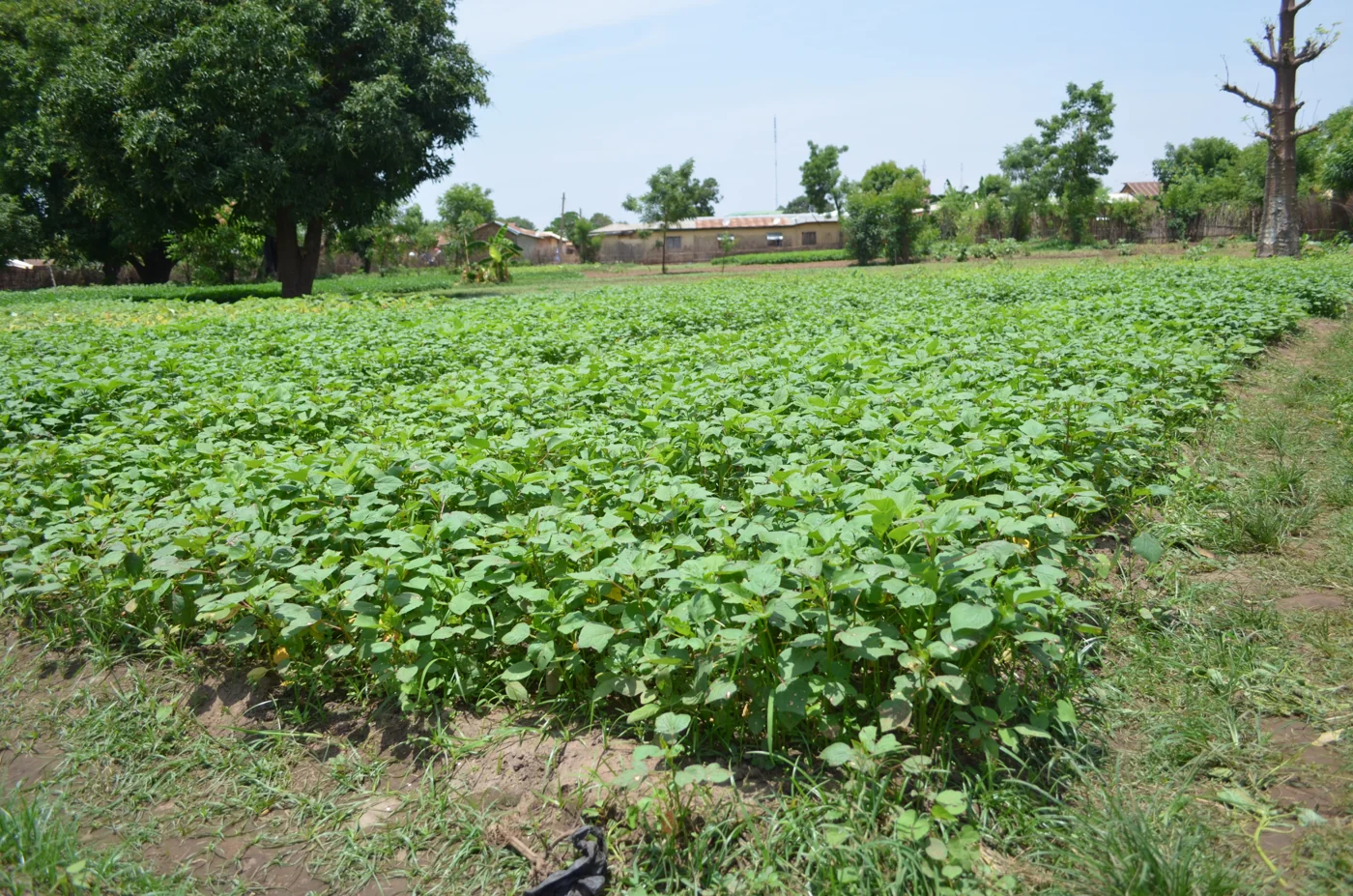
The same field. More knowledge. A new cycle of agronomic support.
Project images supplied by Terra AI are combined with illustrative photographs. The web photographs show agronomic operations in other farms and laboratories. They have been resized and converted to WebP; page framing may crop their display.
TERRA LAB
Our laboratory connects the chemistry of the soil to the decisions made in the field.
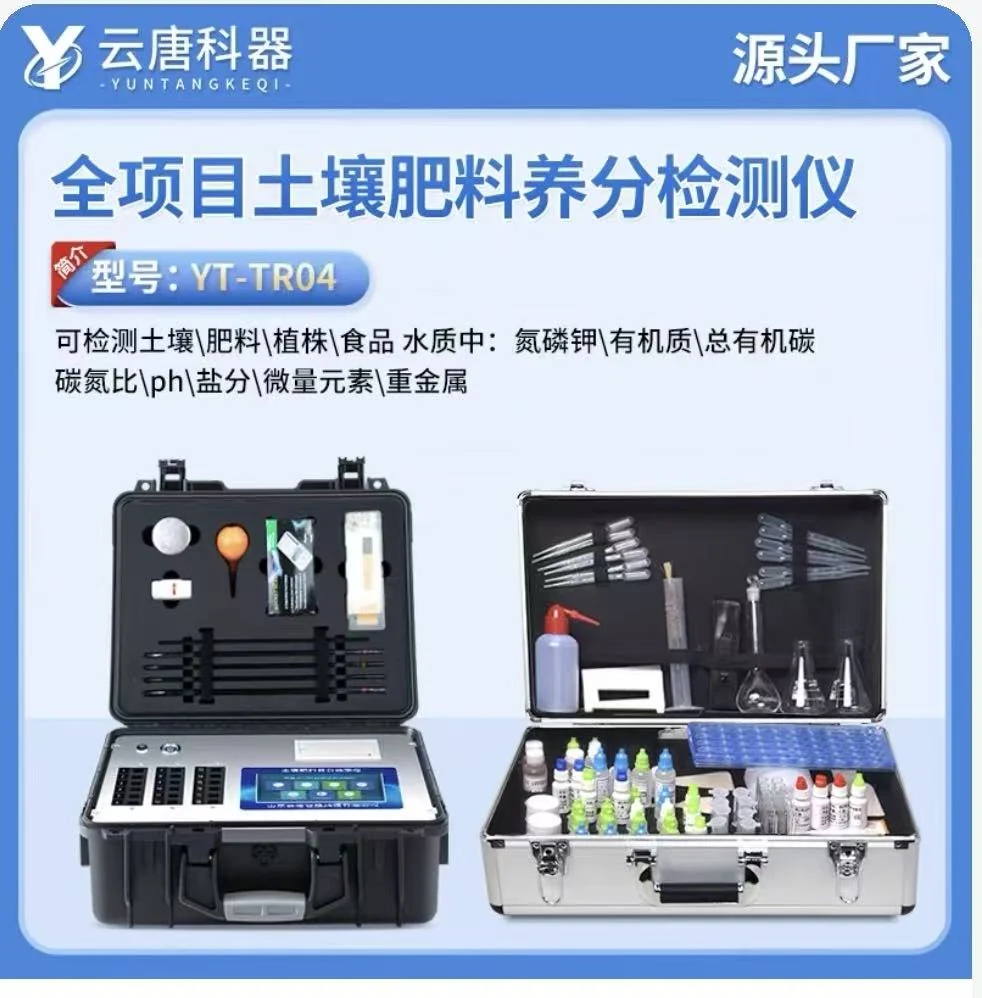
Terra’s own laboratory is part of the protocol, working with our field agronomists. It provides the analytical baseline used to understand fertility, interpret sensor observations and prepare a crop nutrition plan.
OUR OWN FIELD AGRONOMISTS
Terra’s agents support empty land and active farms: diagnosis, sampling, planning, farmer training, scheduled visits and review of alerts. The relationship continues after the Box is installed.
Match varieties, planting windows, rotations and harvest planning to the site and the farmer’s objectives.
Plan soil preparation, organic amendments and nutrient inputs from laboratory evidence and crop requirements.
Define irrigation checks, drainage, soil cover and maintenance according to available water and equipment.
Organize scouting, prevention, hygiene and locally appropriate crop protection with the agronomist.
Plan labor, tools, input purchasing and the budget. Give each task an owner and a date.
Schedule agronomist visits, sensor checks and lab reviews; agree how yield, quality and costs will be measured.
AI prepares and prioritizes. The agronomist checks, adapts and validates. The farmer acts and shares feedback. This human loop is part of the protocol.
THE TERRA BOX IN THE FIELD
DESIGNED FOR THE REALITIES OF THE DRC
Solar-powered. No internet or SIM card in each field Box. Useful advice on a basic phone.
Installed directly in the field, the autonomous Box combines sensors, low-power electronics, a solar panel and a rechargeable battery. Its purpose is to keep observing real growing conditions, day and night, with autonomy verified for the local installation.
INSIDE THE TERRA BOX
The module at the heart of the Terra Box combines local computing with three complementary wireless links.
EDGE AI · ESP32-S3
The ESP32-S3 provides local processing for sensor acquisition, data preparation, configured rules and lightweight AI models. Its vector instructions support neural-network and signal-processing workloads. Terra combines this embedded layer with cloud analysis, farm history and the agronomist’s judgement.
THE SHARED SOLAR GATEWAY
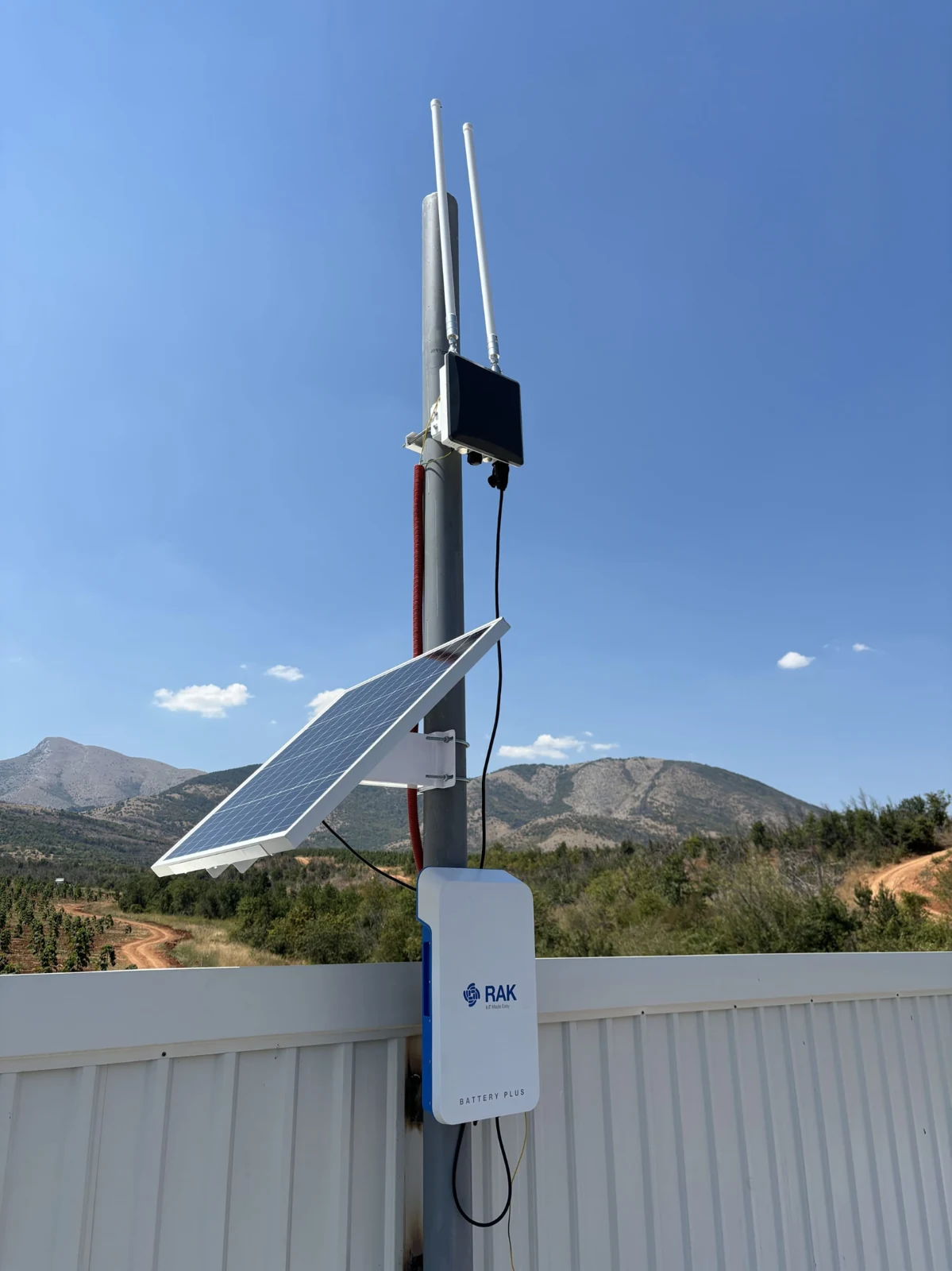
Solar-powered outdoor gateway for LoRaWAN
Terra’s network architecture uses the WisGate Edge Pro V2 family (RAK7289V2 / RAK7289CV2). Coupled with Battery Plus and the Solar Panel Kit, it provides a shared reception point for field Boxes where reliable grid power is unavailable.
In Terra: many Boxes → one shared gateway → Terra Cloud. Solar power makes the installation independent of mains electricity; the gateway still needs an internet uplink to reach the cloud.
See the RAKwireless solar kitSEE THE PROTOCOL IN THE FIELD
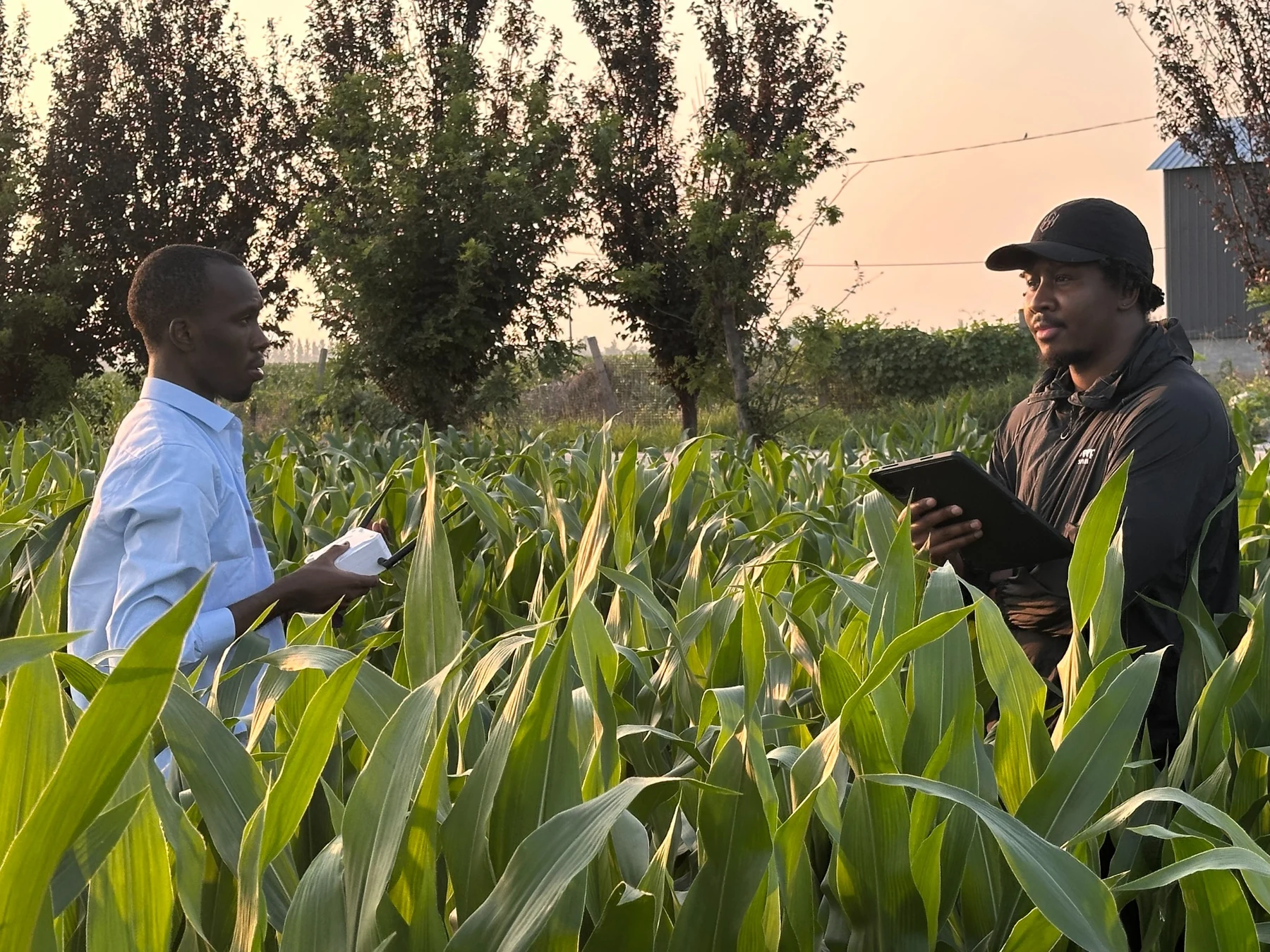
Watch Terra’s field deployment accompanied by an agronomist, then explore the Box installation and the project’s other demonstrations.
Explore all Terra videos ↗YOUTUBEFIELD DEPLOYMENT
A Terra deployment accompanied by an agronomist, bringing technology into the farmer’s working environment.
Watch the video ↗FROM A MEASUREMENT TO A USEFUL MESSAGE
Terra turns field signals into questions the agronomist can answer: when to check irrigation, how to adjust the nutrient plan, and which crop risks need inspection.
TERRA AI AGENT → AGRONOMIST
The agronomist checks → adapts → validates. The farmer then receives a clear action by SMS.
Connectivity in practice: LoRa serves the field link; a connected gateway relays data to the platform. Receiving SMS requires mobile-network coverage on the farmer’s phone. Local collection and control follow the Box configuration when the gateway connection is interrupted.
FROM ONE FARM TO MANY
The national ambition begins with a repeatable local service: trained Terra agronomists, consistent mapping and sampling, our laboratory, shared connectivity and a seasonal record for every farm.
Map, analyze, plan, observe and record the first results.
Soil zones + laboratory + sensors + interventions + harvest.
Use the review to refine practices and test improvements.
Harvested weight ÷ harvested area.
Irrigation volumes when measured.
Products, quantities and application dates.
Recorded expenses and harvest value.
These are indicators to measure, not claimed results. Productivity gains and resource savings must be demonstrated in local pilots and compared using a documented method.
Terra links each farm to its agronomist, laboratory results and devices. As deployment expands, this shared structure can coordinate visits, input needs, harvest planning and support across cooperatives and regions. Role-based access allows institutions, researchers and service providers to use appropriate information, with permission for identifiable farm data.
Explore the connected agricultural ecosystemPROVEN AGRONOMY, EXTENDED BY TERRA
The Terra protocol builds on established agronomic support: farm diagnosis, laboratory analysis, locally adapted plans, field follow-up and learning with farmers. Terra adds continuous measurement, connectivity, a farm history and AI-assisted interpretation.
FAO Smart Farming supports small-scale farmers through good horticultural practices, affordable technologies and efficient resource management. Its focus includes local technical support, quality inputs, market access and digital technologies. These principles inform Terra’s own combination of field agronomy and connected tools.
FAO · Explore Smart Farming ↗The STB model developed through China Agricultural University connects agricultural researchers and farmers through close field engagement, practical learning and locally adapted innovation. Published work discusses its relevance for sustainable agricultural development in Africa.
FAO · Science and Technology Backyards explained ↗Jiao et al., 2020 · STB model and Africa ↗These are methodological references. The Terra protocol is Terra’s own integration of agronomy and technology; these references do not establish FAO or CAU endorsement or certification.
THE PROJECT IN PRACTICE
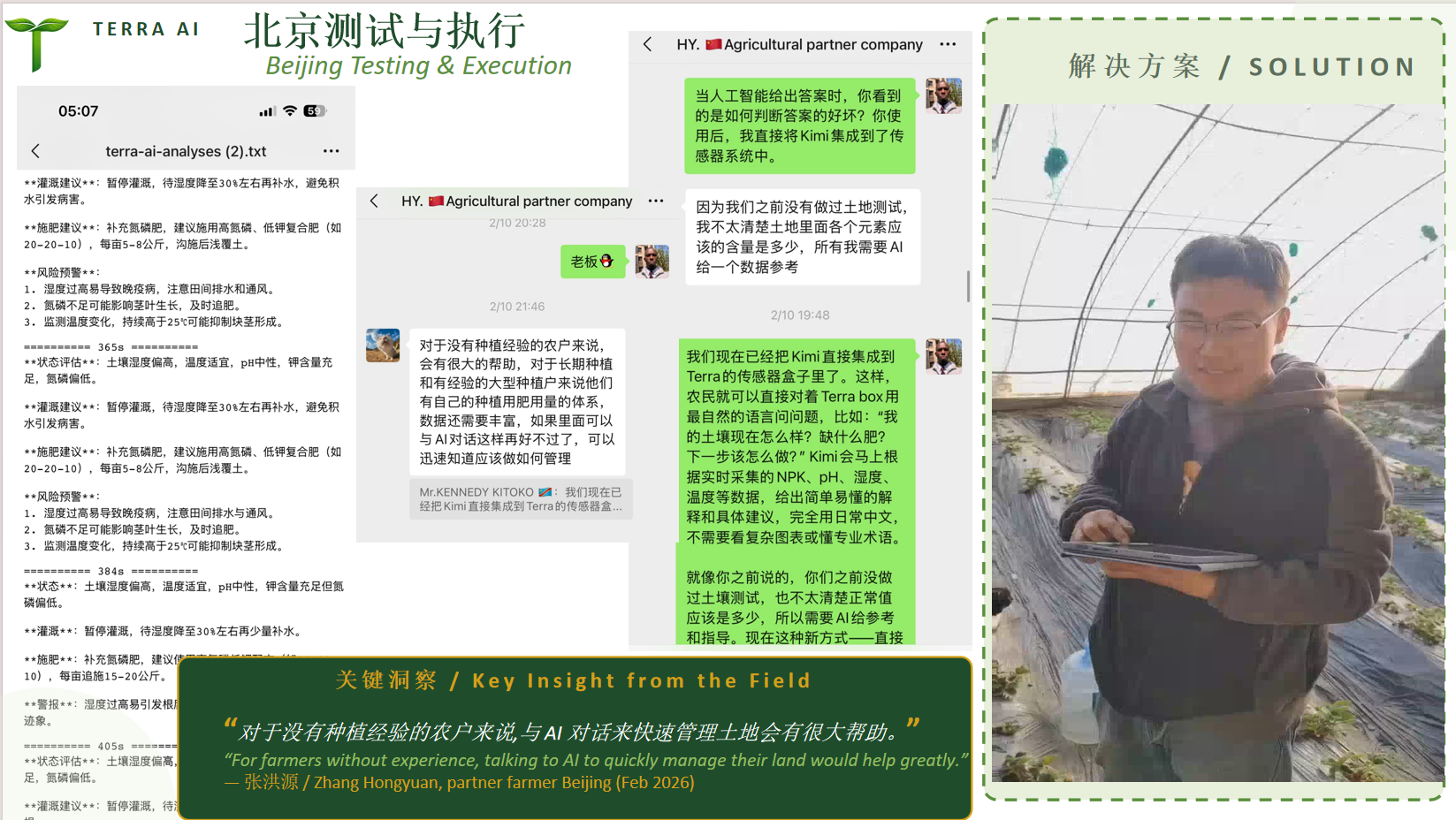
The supplied protocol diagram brings the ten stages together. Field-testing material illustrates the project’s work on translating measurements into agronomic messages.
The diagram’s doses and yield figures are illustrative. The Beijing presentation documents a prototype demonstration; the current protocol uses Terra Lab for NPK reference measurements.
LET’S START WITH THE LAND
Discuss your plot, your crops or a group of farms with the Terra team.